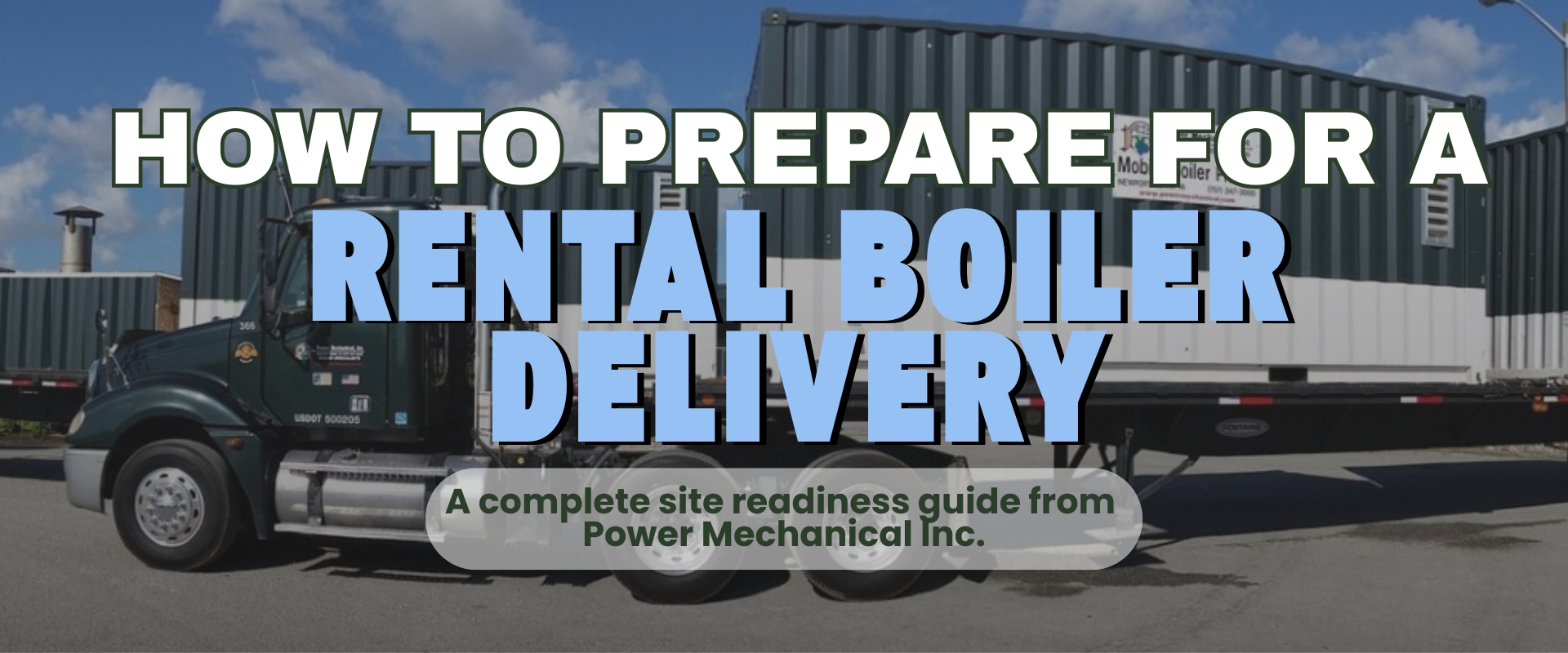
Knowing how to prepare for a rental boiler delivery is essential when your facility requires temporary steam or hot water capacity. Proper preparation ensures a smooth installation and faster startup.
The reality is simple: the more prepared your site is before delivery, the faster your system will be online and the less risk of unexpected downtime or added costs. Taking time to evaluate your site, utilities, and connections ahead of arrival can make the difference between a seamless startup and a stressful installation.
How to Prepare for a Rental Boiler Delivery: Start with Strategic Planning
Every rental boiler installation is unique. Facilities vary in layout, utility access, and operational demands, so it’s important to assess potential challenges early. While it’s impossible to predict every obstacle, a strategic preparation process will eliminate many of the most common delays.
Confirm available utilities, evaluate site access, and identify connection points before delivery. Thinking through these details ahead of time allows your team and your rental provider to plan properly and avoid surprises on installation day.
Location Matters: Choosing the Right Placement
Selecting the right location for your rental boiler is one of the most critical decisions in the preparation process.
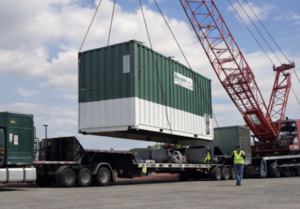
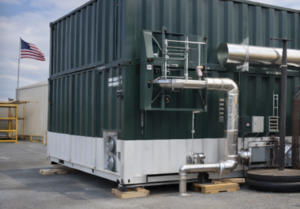
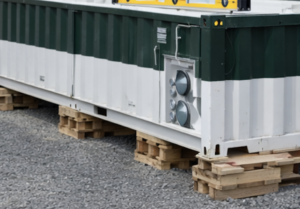
From an operational and safety standpoint, the unit must sit on a solid, stable, and level surface. Proper leveling is essential for safe boiler operation and long-term reliability. Whenever possible, choose a placement area that is flat and reinforced enough to support the equipment. Final adjustments can be made using cribbing, but starting with a level surface simplifies installation and startup.
Accessibility is equally important. Your site should allow enough clearance around the boiler for technicians to safely access panels, perform maintenance, and connect utilities. Limited access can slow installation and make routine service more difficult during the rental period.
In addition to ground conditions, consider overhead space and equipment access. Some setup components require lifting or positioning above the unit, so planning for adequate clearance and lift capability can prevent delays during installation.
Proper placement and access help ensure safe operation and faster installation.
Utility Connections When Preparing for a Rental Boiler Delivery
Utility access often determines the final placement of a rental boiler. Before delivery, confirm the availability and location of:
-
Fuel supply connections
-
Steam or hot water supply and return lines
-
Electrical power
-
Make-up water
-
Blowdown and drainage access
If connection points are not immediately adjacent to the chosen boiler location, extensions can typically be provided. Rental-ready accessories such as power cables, pipe spools, adapters, and hoses can help bridge the gap between existing utilities and the temporary boiler system.
Power Mechanical maintains a full inventory of rental accessories and support equipment to simplify installations, including:
-
Double-wall oil tanks (500 to 20,000 gallons)
-
Switchgear, starters, transformers, and VFDs
-
Electric power cables and distribution equipment
-
Pipe spools, reducers, and adapters
-
Braided steam hoses
-
Heat exchangers and pumps
-
Steam silencers
-
And more
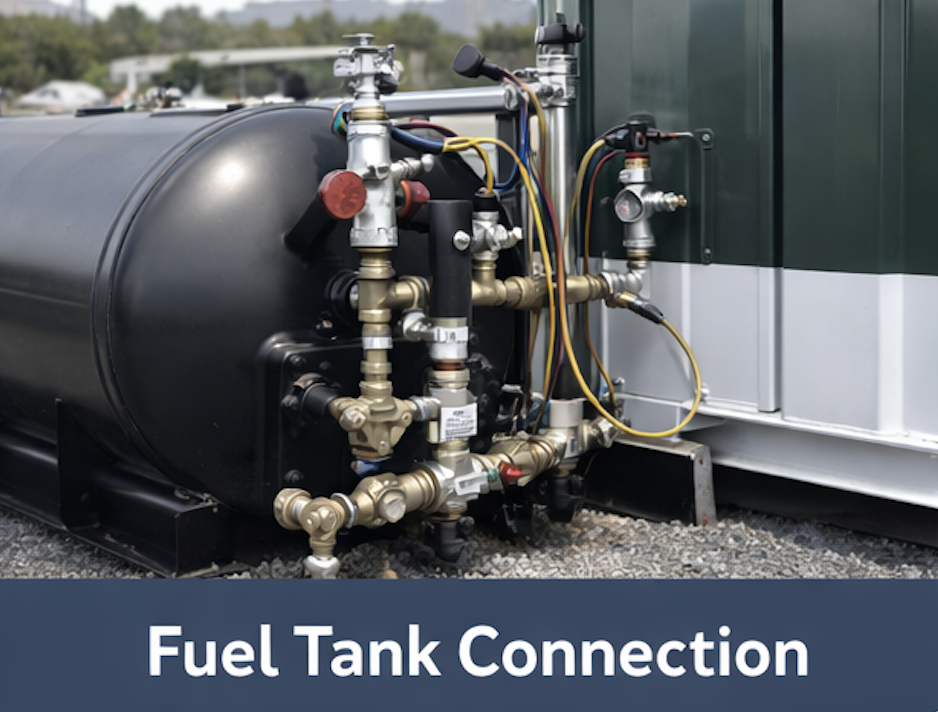 |
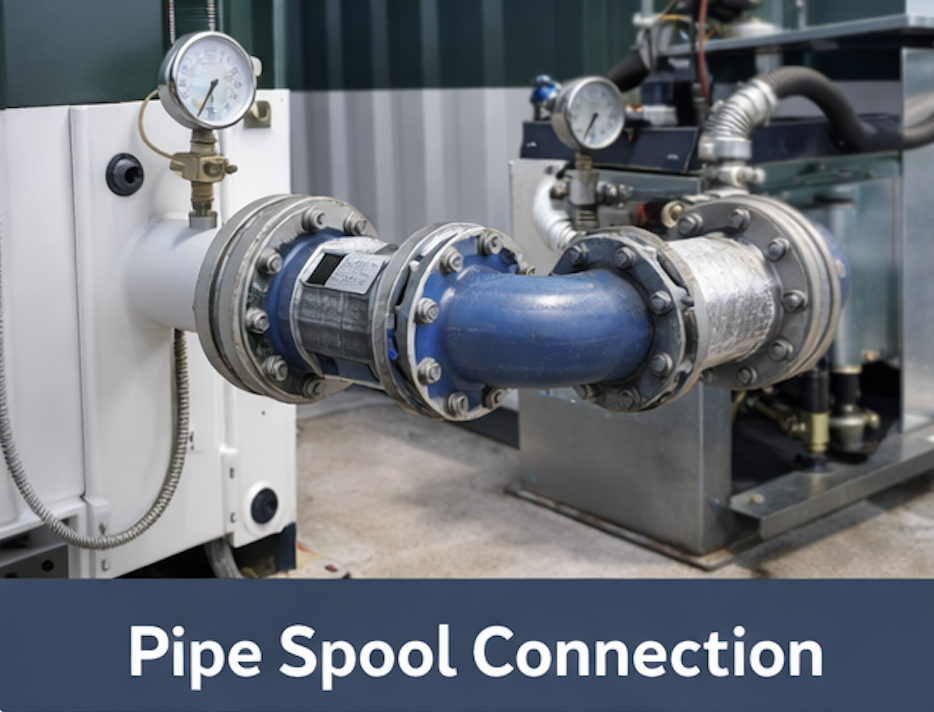 |
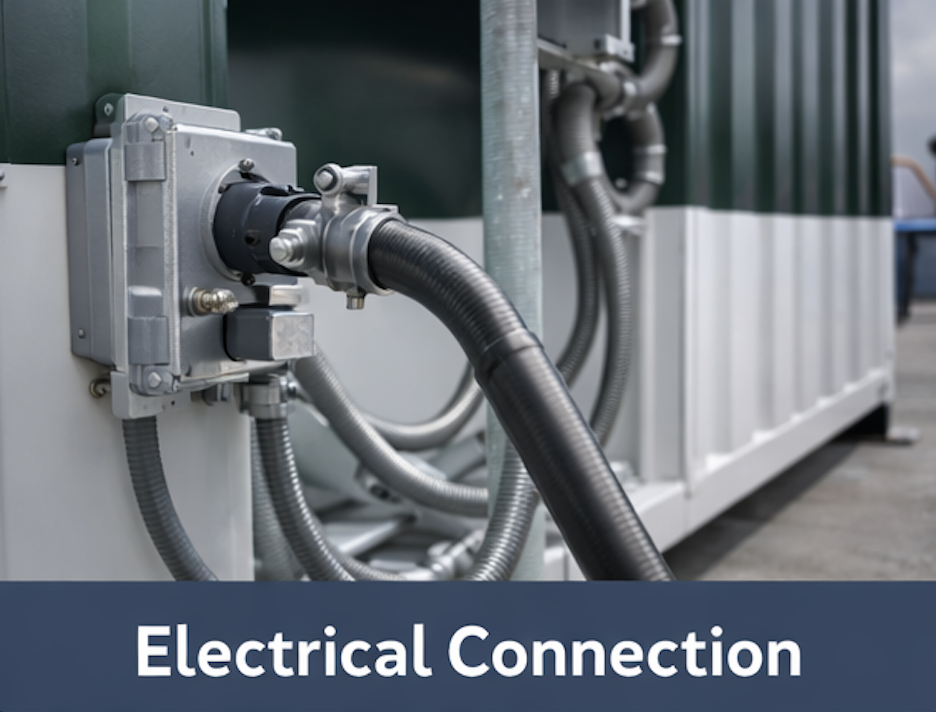 |
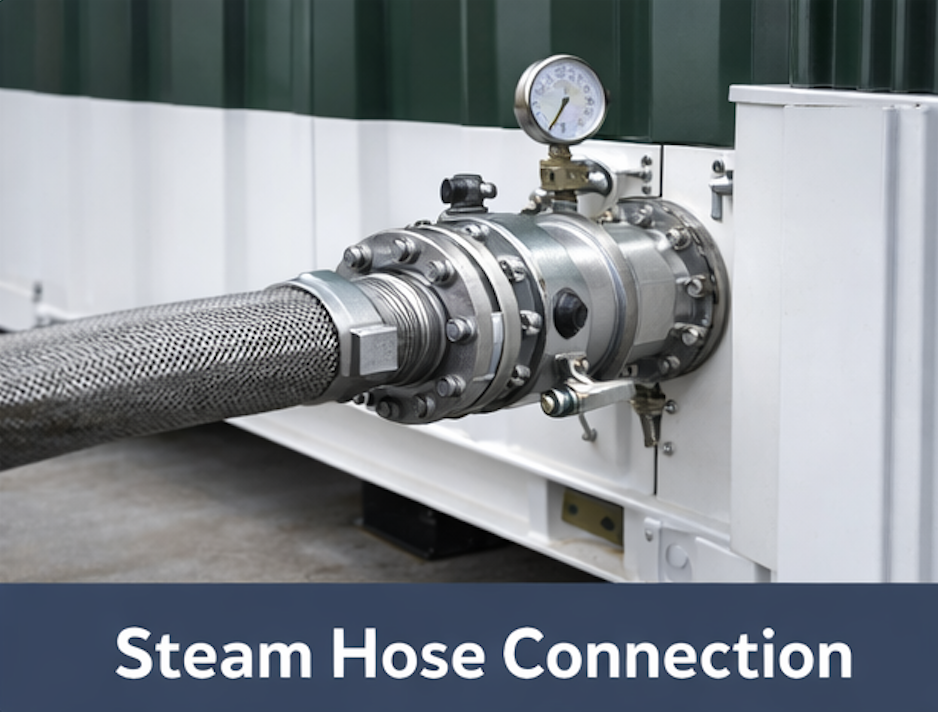 |
Proper placement ensures safe operation, stability, and service accessibility.
Don’t Overlook Freeze Protection
For installations in colder climates or winter months, freeze protection must be part of your preparation plan. Any external piping or exposed lines connected to the rental boiler are vulnerable to freezing if not properly protected.
Consider implementing:
-
Heat tracing
-
Insulation
-
Temporary enclosures
-
Unit heaters
-
Routine monitoring practices
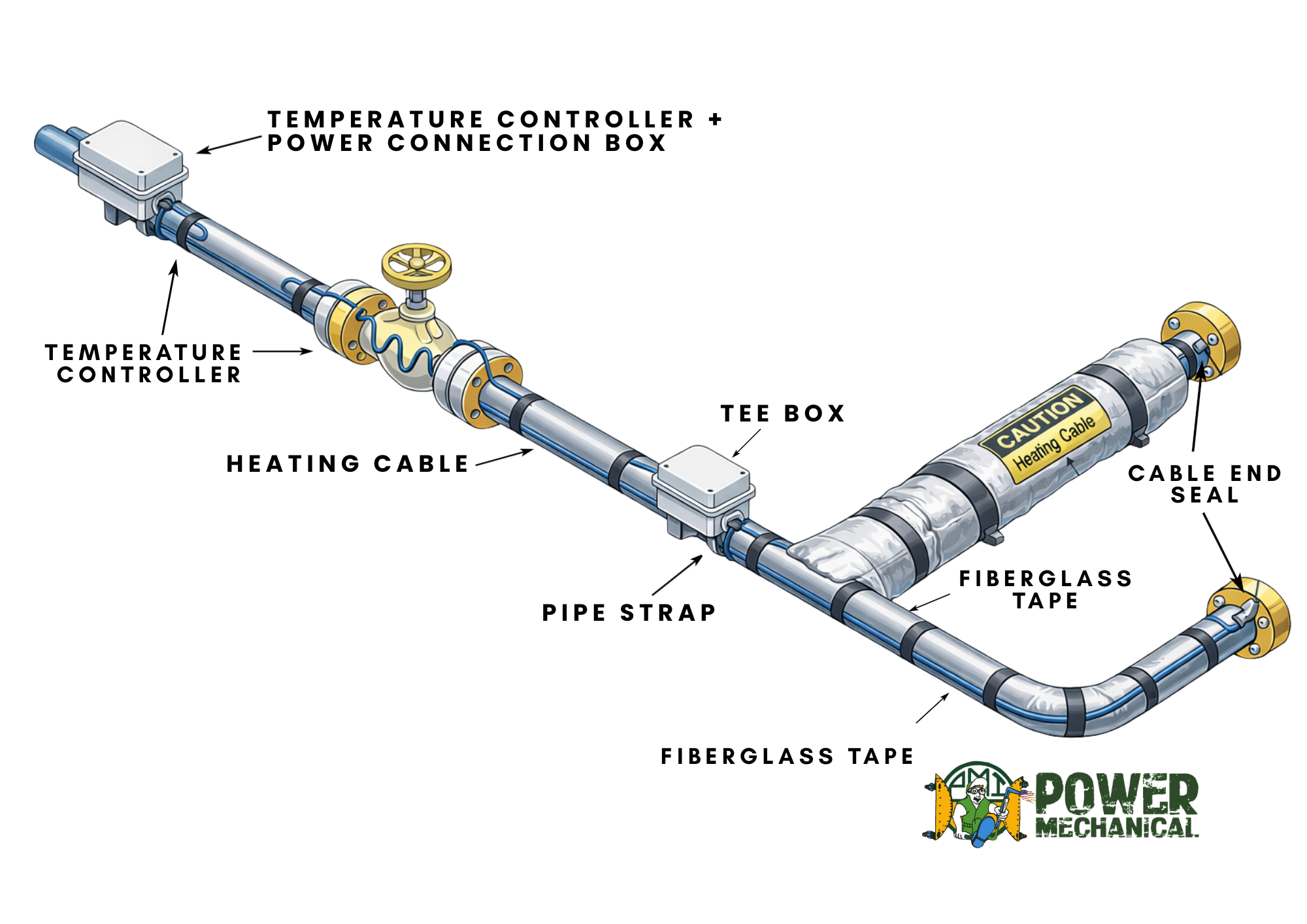
Freeze damage can occur quickly and may lead to costly repairs or operational downtime. Planning ahead protects both the rental equipment and your facility’s operations.
Power Mechanical rental boilers are equipped with internal unit heaters designed to help maintain safe temperatures during cold conditions. These heaters typically operate on thermostatic controls and should be monitored regularly to ensure they are functioning correctly. If the boiler goes offline for any reason, these safeguards help prevent internal lines from freezing.
Leveling and Stability Are Critical
A properly leveled boiler isn’t just about performance—it’s also a key safety requirement. Uneven placement can affect water levels, burner performance, and overall system reliability.
Before delivery, confirm that your selected site can support proper leveling and stability. Addressing these requirements in advance allows for faster installation and smoother commissioning once the equipment arrives.
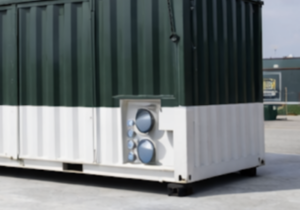
Pro Tip: Bring cribbing on site and verify the pad is solid, flat, and rated to support the equipment’s weight before the boiler arrives.
 |
 |
 |
 |
Prepare for a Smooth Installation
Successful rental boiler projects start long before the equipment reaches your facility. Taking time to prepare your site, verify utilities, and plan placement ensures a faster startup and fewer complications during the rental period. Understanding how to prepare for a rental boiler delivery helps facilities avoid delays and ensures temporary steam or hot water systems are installed safely and efficiently.
At Power Mechanical, our goal is to make every rental as seamless and worry-free as possible. From planning and delivery to startup and ongoing support, our team works closely with customers to ensure safe, efficient temporary steam and hot water solutions.
If you have questions about preparing your site for a rental boiler, even if your equipment is coming from another provider, our team is always available to help guide you through the process.
Need Assistance Preparing for a Rental Boiler Installation?
Speak with Power Mechanical’s rental experts to ensure your site is fully prepared for a smooth and successful boiler startup.